
Inbound Lead Scoring: Boost Profits 2025
Why Inbound Lead Scoring is Your Secret Weapon Against Wasted Sales Effort
Inbound lead scoring is a systematic method of assigning points to prospects based on their characteristics and behaviors. This helps your sales team prioritize which leads to contact first by identifying who is most likely to buy. A scoring system automatically evaluates demographic data (job title, company size) and behavioral data (website visits, content downloads), adjusting scores in real-time as prospects engage.
Your marketing is generating leads, but your close rate is low. Why? Not all leads are created equal. Research shows 80% of converted leads never become customers. This disconnect is costly; 59% of marketers believe they send sales high-quality leads, while salespeople rank marketing-sourced leads last.
Your team wastes time on tire-kickers while hot prospects go cold. Responding to a lead within five minutes can increase your odds of booking a meeting by 100X, but without scoring, it’s impossible to know which leads deserve that immediate attention. Lead scoring solves this by assigning higher values to actions that signal buying intent, like a CEO downloading a pricing guide versus a student reading a blog post. The results are clear: companies using lead scoring see a 70% improvement in ROI from their lead generation efforts.
I’m Bernadette King, founder of King Digital Marketing Agency. I’ve helped dozens of businesses transform their lead qualification with strategic inbound lead scoring models that drive real growth. The difference between stagnation and success often comes down to knowing which prospects deserve your attention right now.
The Foundations of Lead Scoring: Turning Volume into Value
Without a scoring system, sales teams are throwing darts blindfolded, wasting hours on leads that will never buy while interested prospects wait too long for a callback. It’s an inefficient and expensive way to operate.
Inbound lead scoring replaces guesswork with a data-driven process to identify which leads deserve immediate attention. The benefits are significant:
- Higher ROI: Companies using lead scoring see a 70% improvement in ROI from their lead generation efforts.
- Improved Conversion Rates: Sales focuses energy on prospects who are actually ready to buy, not just casual researchers.
- Sales and Marketing Alignment: Both teams agree on what defines a qualified lead, eliminating friction and creating a shared language. This is a core principle of effective Sales Lead Management.
- Shorter Sales Cycles: Reps connect with prospects who are already educated and engaged, accelerating the conversation.
- Better Customer Understanding: Building a model forces you to define your ideal customer and their buying journey, making all marketing efforts smarter.
What is Inbound Lead Scoring?
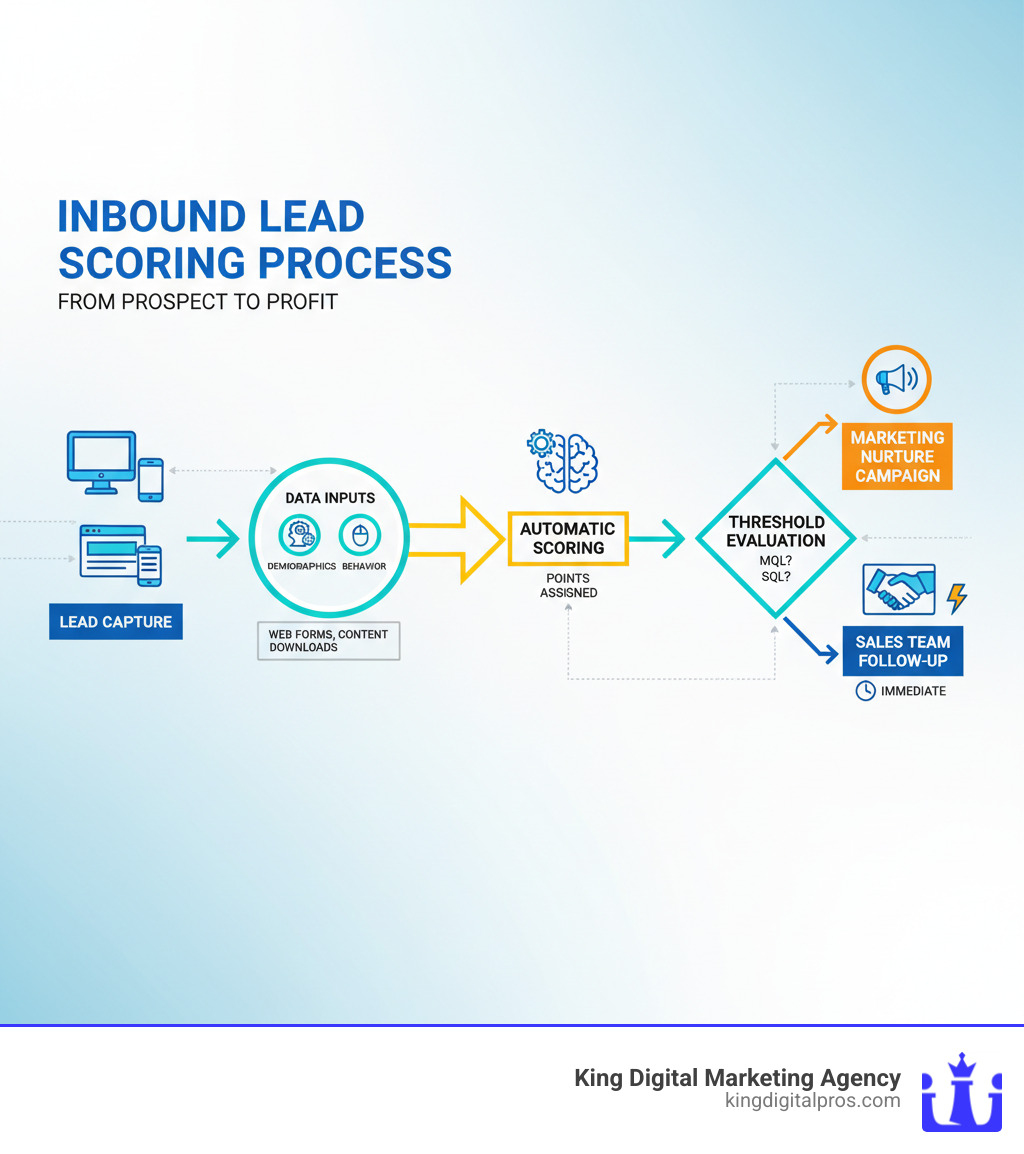
Inbound lead scoring automatically ranks prospects based on how well they fit your ideal customer profile and how interested they seem in your solution. Every interaction–downloading a guide, visiting a pricing page, opening an email–earns points. Characteristics like job title and company size are also scored. The total score tells your sales team how sales-ready a lead is, instantly showing them who to call first. Modern systems update these scores in real-time, a crucial component of effective Internet Lead Management.
Traditional vs. Inbound Lead Scoring
Lead scoring isn’t new, but the methods have evolved. Traditional scoring was often manual and subjective, relying on gut feelings or simple demographic rules. It was also static, meaning the rules didn’t adapt to changing market conditions. This approach, focused on outbound leads with limited data, couldn’t scale effectively.
Inbound lead scoring is built for the digital age. It’s automated and data-driven, using your CRM and marketing platform to assign points based on a rich trail of digital behaviors. The scores are dynamic, decaying over time if a lead goes cold to ensure sales always works with fresh data. This system handles high volumes of leads with ease, ensuring no hot prospect falls through the cracks. As noted by Harvard Business Review, this level of data discipline significantly improves sales results. An inbound approach isn’t just better–it’s essential.
Building Your Inbound Lead Scoring Model from the Ground Up
An effective inbound lead scoring model reflects who your best customers are and how they act before buying. It starts with a deep understanding of your Ideal Customer Profile (ICP) and buyer personas, which you can develop by analyzing your past customers. Understanding How to Calculate Lead Value is crucial, as it informs how you weigh different lead characteristics. The most successful models are built through close collaboration between marketing and sales.
Key Components of an Effective Inbound Lead Scoring Model
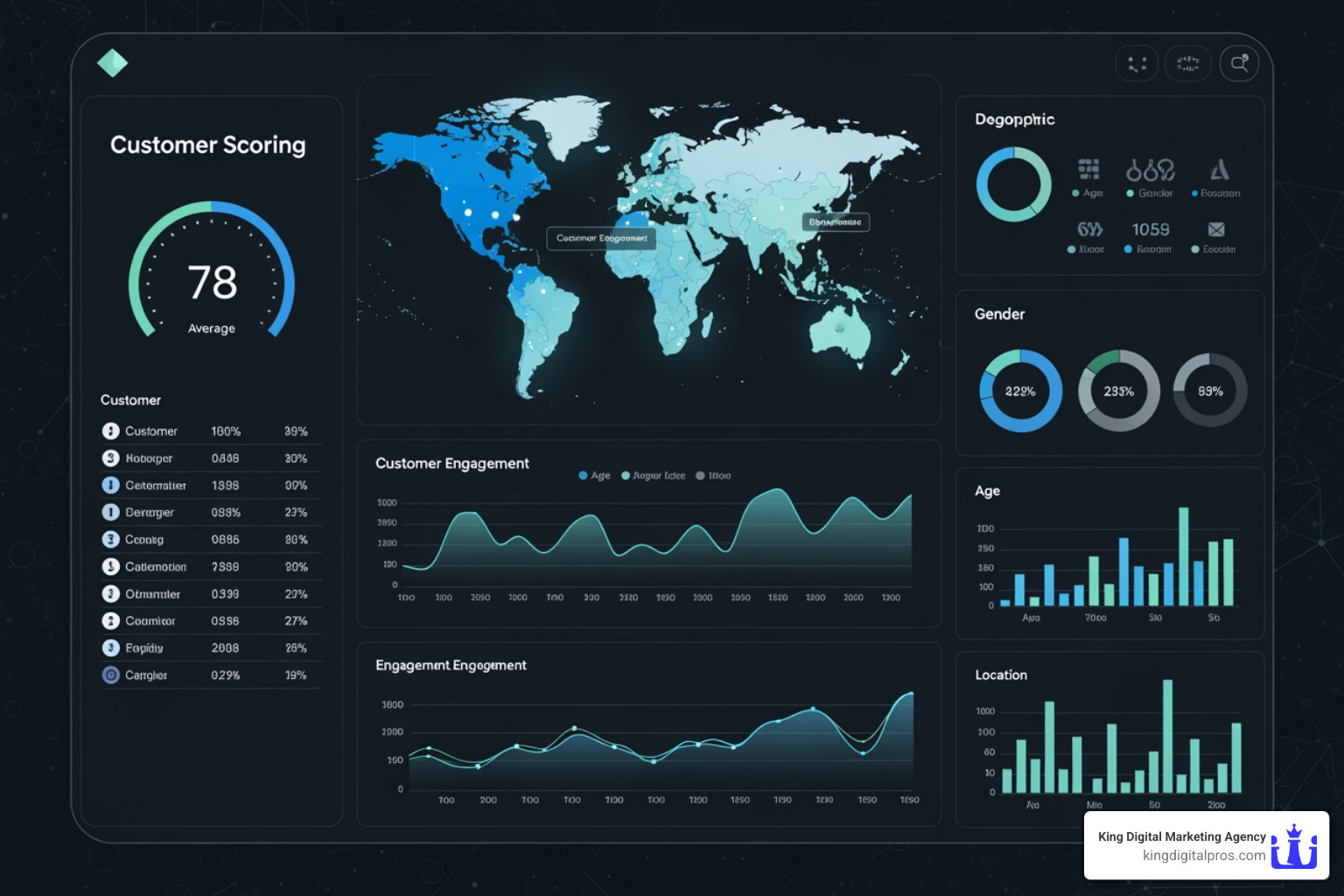
A strong model balances two types of information: who leads are and what they do.
| Data Type | |
|---|---|
| Explicit Data (Demographic/Firmographic) | Implicit Data (Behavioral/Engagement) |
| Who they are: | What they do: |
| Job Title (e.g., Owner, Manager, Analyst) | Website Visits (pages viewed, time spent) |
| Company Size (e.g., 1-10, 11-50, 51-200 employees) | Content Downloads (whitepapers, ebooks, case studies) |
| Industry (e.g., Healthcare, Manufacturing, Retail) | Email Engagement (opens, clicks, unsubscribes) |
| Location (e.g., Albuquerque, Rio Rancho, Santa Fe) | Form Submissions (contact forms, demo requests) |
- Explicit data is information prospects provide about themselves, like their job title or company size. It tells you if they fit your ICP.
- Implicit data is behavioral information gathered from their engagement, such as visiting your pricing page or downloading a case study. It often reveals buying intent more accurately than explicit data.
- Negative scoring subtracts points for actions that indicate a lack of fit, like visiting your careers page. This filters out false positives.
- Score decay automatically reduces a lead’s score over time due to inactivity, ensuring your sales team focuses on currently engaged prospects.
- MQL/SQL thresholds are the specific scores that trigger a lead to be classified as Marketing Qualified (ready for nurturing) or Sales Qualified (ready for sales outreach).
Choosing Valuable Data and Criteria
Focus on criteria that actually correlate with closed deals. Don’t score everything; score what matters.
- Demographic and Firmographic Data: Attributes like job title, company size, industry, and location (e.g., Albuquerque, Santa Fe) help determine if a lead matches your ICP. According to Harvard Business Review, clean, relevant firmographic data is key to better sales outcomes.
- Behavioral Data: This is where inbound scoring shines. Identify high-intent actions that strongly predict a sale. A demo request shows far more intent than a blog read. Using the Best Lead Tracking Services ensures you capture this valuable engagement data across all channels.
Assigning Point Values and Setting Thresholds
Turn your criteria into a functional scoring system by analyzing historical data.

Start by benchmarking conversion rates from past deals to see which attributes and actions were most common. Assign higher point values to criteria that strongly correlate with sales. For example, if demo requests convert at 40% and blog reads at 2%, the demo request should be worth significantly more points.
Set an MQL threshold (e.g., 50 points) for leads who are a good fit but need more nurturing. Set a higher SQL threshold (e.g., 80 points) for leads who have demonstrated strong fit and high intent, signaling they are ready for a sales conversation. This creates nurturing buckets, ensuring every lead gets the right level of attention. This segmentation is a key step in turning leads into revenue, a process detailed in our Conversion Optimization Complete Guide. Your first model won’t be perfect; the goal is to start with a data-backed system and refine it over time.
Advanced Strategies: AI, Automation, and Common Pitfalls
Once your foundational model is in place, you can improve its power with advanced tools. Predictive analytics and automation make your lead qualification more efficient and dramatically more effective. This is where robust Lead Manager Software becomes essential.
Predictive Lead Scoring and the Role of AI
Predictive lead scoring uses machine learning (AI) to analyze vast amounts of historical data–from both won and lost deals–to identify which current leads are most likely to convert. Instead of you manually assigning point values, an AI model determines what truly matters.
These models uncover hidden patterns that humans might miss. For example, an AI could find that leads who visit your pricing page and then a specific case study within 24 hours have an 85% conversion rate. This insight is invaluable. As 66% of sales pros report, AI helps them better understand and prioritize customers. The model is also dynamic, continuously learning and adapting as new data comes in, ensuring your scoring remains relevant without manual adjustments. The underlying technology often uses statistical methods like logistic regression to make these predictions.
Automating Your Inbound Lead Scoring Process
Automation transforms inbound lead scoring from a theory into a 24/7 operational powerhouse. By integrating your CRM, marketing platform, and other tools, you create a seamless ecosystem where every interaction is tracked and scored automatically.
- Real-time updates ensure scores always reflect a lead’s current engagement level.
- Automated lead routing is the game-changer. Once a lead hits the SQL threshold, the system instantly assigns them to the right salesperson and sends an alert. This eliminates delays and ensures hot leads get immediate attention.
Automation streamlines your sales workflows, freeing your team to focus on building relationships and closing deals. For a step-by-step walkthrough, see our Online Sales Lead Management Ultimate Guide.
Common Mistakes to Avoid
Even the best strategies can fail if you fall into common traps. Avoid these pitfalls:
- Ignoring Sales Input: Marketing must build the model with sales. If the sales team doesn’t trust the scores, the system will fail.
- Using Only One Data Type: You need both explicit (fit) and implicit (engagement) data for a complete picture.
- Not Using Negative Scoring: Subtract points for red flags like visits to your careers page or email unsubscribes to keep scores accurate.
- Setting and Forgetting the Model: Markets and buyers change. Review and refine your model at least quarterly.
- Overly Complex Models: Start simple with the most impactful criteria. Complexity can lead to confusion and make troubleshooting difficult.
- Poor Data Quality: Garbage in, garbage out. A scoring model is only as good as the data it’s built on. Regularly clean your CRM data.
From Score to Sale: Activating and Measuring Your Model
The value of inbound lead scoring isn’t the score itself, but what you do with it. A high score must trigger immediate, appropriate action to convert a prospect into a customer.
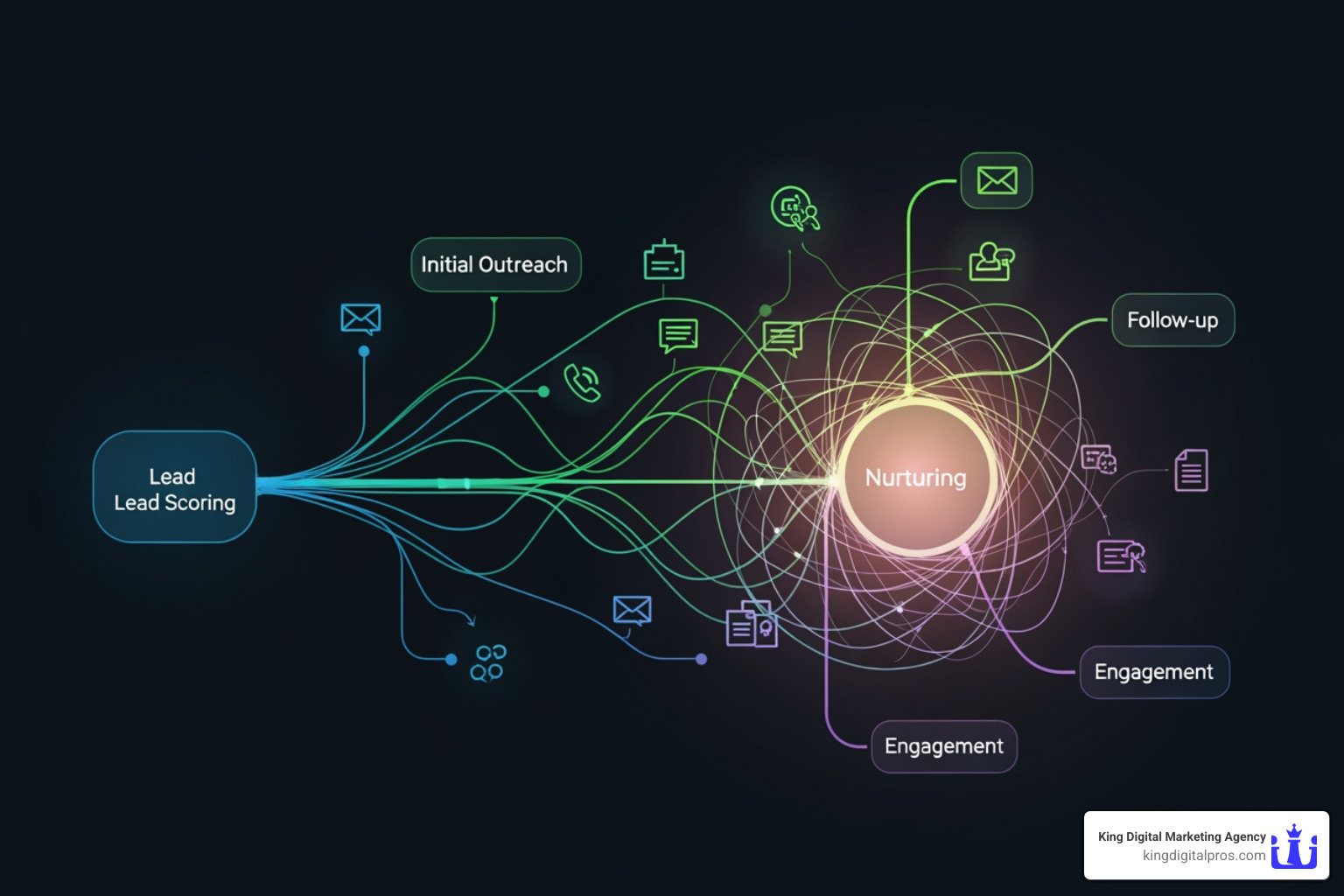
This means creating intelligent lead routing, targeted nurturing sequences, and timely sales follow-up. Of course, this all depends on a fundamental question: Is Your Website Converting? A great scoring model can’t fix a leaky funnel.
Aligning Sales and Marketing Teams
Most scoring initiatives fail due to a disconnect between sales and marketing. Marketing celebrates MQLs, while sales complains the leads are unqualified. This creates what HubSpot calls a vicious cycle of blame and mistrust.
To break this cycle, you need intentional alignment:
- Shared Definitions: Both teams must agree on the specific criteria for an MQL and an SQL.
- Service Level Agreement (SLA): Create a mutual commitment where marketing agrees to deliver a certain number of SQLs, and sales agrees to contact them within a set timeframe (e.g., one hour).
- Feedback Loops: Sales must regularly inform marketing about lead quality. This feedback is crucial for refining the scoring model.
- Unified Goals: When both teams are measured on revenue, not just intermediate metrics, they are motivated to work together. Companies with strong alignment achieve 19% faster revenue growth and 15% higher profitability.
Taking Action on Scored Leads
Your action should depend on the lead’s score:
- High-Score Leads (SQLs): These are your top priority. They have a strong fit and high intent. Contact them immediately–ideally within five minutes. The goal is to book a meeting or move directly into a sales conversation.
- Medium-Score Leads (MQLs): These leads are interested but not yet ready for a sales call. Place them in targeted email nurturing campaigns to build trust and encourage more engagement until they reach the SQL threshold.
- Low-Score Leads: These leads are not a priority. Keep them on your radar with broader communications like newsletters or social media content. The goal is to re-engage them over the long term.
Measuring Success and ROI
Inbound lead scoring is completely measurable. Track these key metrics to prove its value:
- Lead-to-Customer Conversion Rate: Your high-scoring leads should convert at a much higher rate than low-scoring ones.
- Sales Cycle Length: A good model should shorten the time it takes to close a deal.
- Revenue Attribution: Connect your scoring model directly to the revenue it helps generate.
- Cost Per Acquisition (CPA): As sales efficiency improves, your cost to acquire a new customer should decrease.
- Model Accuracy: Track what percentage of SQLs convert. If the rate is low, your model needs adjustment.
Use tools like our Tools & Marketing ROI Calculator to track these metrics and continuously optimize your strategy.
Frequently Asked Questions about Inbound Lead Scoring
Here are answers to the most common questions business owners ask about implementing inbound lead scoring.
How often should I update my lead scoring model?
Your model needs regular maintenance. Review it at least quarterly to ensure it remains accurate. You should also perform a review after any significant event, such as:
- After launching a major marketing campaign.
- When sales provides consistent feedback that lead quality has shifted.
- When your Ideal Customer Profile (ICP) or business strategy changes.
As Harvard Business Review notes, maintaining this data discipline is key to sales effectiveness.
Can lead scoring work for a small business?
Yes, absolutely. In fact, inbound lead scoring is arguably more valuable for small businesses, where every lead and every minute of a salesperson’s time is critical. You can’t afford to waste resources on unqualified prospects.
The key is to start simple. You don’t need a complex AI system. Begin by identifying 3-5 key criteria for fit (e.g., location, job title) and 3-5 high-intent behaviors (e.g., visited pricing page, requested demo). Most modern CRMs have built-in scoring features that are easy to set up. This approach provides immediate value and can scale as you grow your local business.
What’s the difference between a lead score and a lead grade?
This is a crucial distinction. People often use the terms interchangeably, but they measure two different things:
- Lead Score (Interest): This is a numerical value based on a lead’s behavior and engagement. A high score means the lead is actively interested in your company.
- Lead Grade (Fit): This is a letter grade (e.g., A, B, C) based on a lead’s demographics and how well they match your Ideal Customer Profile. An ‘A’ grade means they are a perfect fit for your business.
The most powerful approach combines both. A lead with a high score and an ‘A’ grade is your top priority–a perfect fit who is highly engaged. A lead with an ‘A’ grade but a low score is a perfect candidate for a nurturing campaign. This two-axis system provides a more nuanced view, helping you prioritize not just how hot a lead is, but whether they’re the right lead for you.
Conclusion: Score Your Way to Sustainable Growth
Generating leads is one thing; converting them is another. Inbound lead scoring is the bridge that turns a chaotic flood of prospects into a streamlined system for growth. It ensures every lead gets the right attention at the right time.
By systematically evaluating prospects, you empower your sales team to focus on meaningful conversations with buyers who are ready to act. This leads to tangible improvements in conversion rates, shorter sales cycles, and increased revenue. As research from Harvard Business Review confirms, companies that invest in data discipline see measurably better outcomes.
The path forward is clear: start simple, involve your sales team, and continuously improve based on data. Your leads are already telling you who is ready to buy. Inbound lead scoring is how you learn to listen.
Don’t let another qualified prospect go cold. Mastering your lead qualification process is the foundation of predictable growth. At King Digital Marketing Agency, we help businesses in New Mexico and beyond turn lead chaos into clarity and revenue.
If you’re ready to stop guessing and start growing, we’re here to help. Get expert help with our Lead Scoring Services and find what happens when every lead gets the attention it deserves.